
Technology in Interior Design: Tools and Trends That Shape the Future
The interior design industry is experiencing a remarkable transformation driven by technology, innovation, and evolving lifestyle preferences. Modern homeowners and businesses no longer seek spaces that are only visually appealing; they want environments that are intelligent, functional, sustainable, and future-ready. As technology continues to influence the way spaces are planned and designed, interior designers are adopting advanced tools and innovative solutions to create more personalized and efficient environments.
At Gamut Buildcon, we believe that the future of interior design lies in combining creativity with technology. From smart home interior design solutions to immersive visualization tools, technology is redefining how spaces are imagined, designed, and experienced.
The Growing Role of Technology in Interior Design
Technology has revolutionized every stage of the interior design process. From conceptualization and planning to execution and maintenance, modern tools enable designers to create highly accurate and customized solutions for clients.
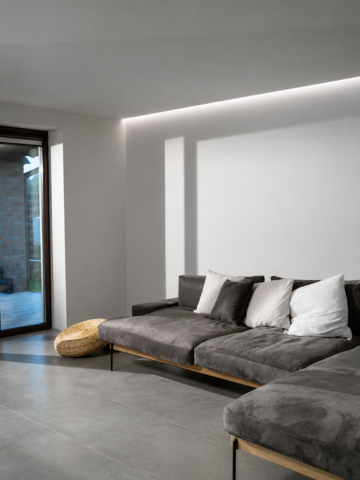
Today’s homeowners want spaces that offer convenience, energy efficiency, security, and comfort. This growing demand has accelerated the adoption of advanced technologies in modern home interior design, making homes smarter and more responsive to everyday needs.
Design professionals now use innovative software, automation systems, and digital visualization techniques to improve project efficiency and enhance customer satisfaction.
Smart Home Interior Design: The Future of Living
One of the most significant trends shaping the future of interiors is smart home interior design. Smart homes integrate technology into daily living by connecting various devices and systems through centralized control platforms.
Modern smart interior solutions include:
- Automated lighting systems
- Smart thermostats
- Voice-controlled devices
- Smart security systems
- Motorized curtains and blinds
- Intelligent entertainment systems
- Energy management solutions
These technologies provide homeowners with greater convenience, improved energy efficiency, and enhanced security while creating a seamless living experience.
Interior designers now carefully plan layouts and aesthetics to accommodate smart technologies without compromising the overall visual appeal of the space.
Advanced Design Software and 3D Visualization
Gone are the days when clients had to rely solely on sketches and imagination to understand a design concept. Today, advanced software allows designers to create highly detailed 3D models and realistic visualizations before construction begins.
Tools such as 3D rendering software, virtual walkthroughs, and augmented reality applications help clients visualize every aspect of their future space.
Benefits of these technologies include:
- Better design accuracy
- Improved client communication
- Faster design modifications
- Reduced project errors
- Enhanced decision-making
These visualization tools have become essential components of interior decorator services, enabling designers to deliver projects that closely align with client expectations.
Virtual Reality and Augmented Reality in Interior Design
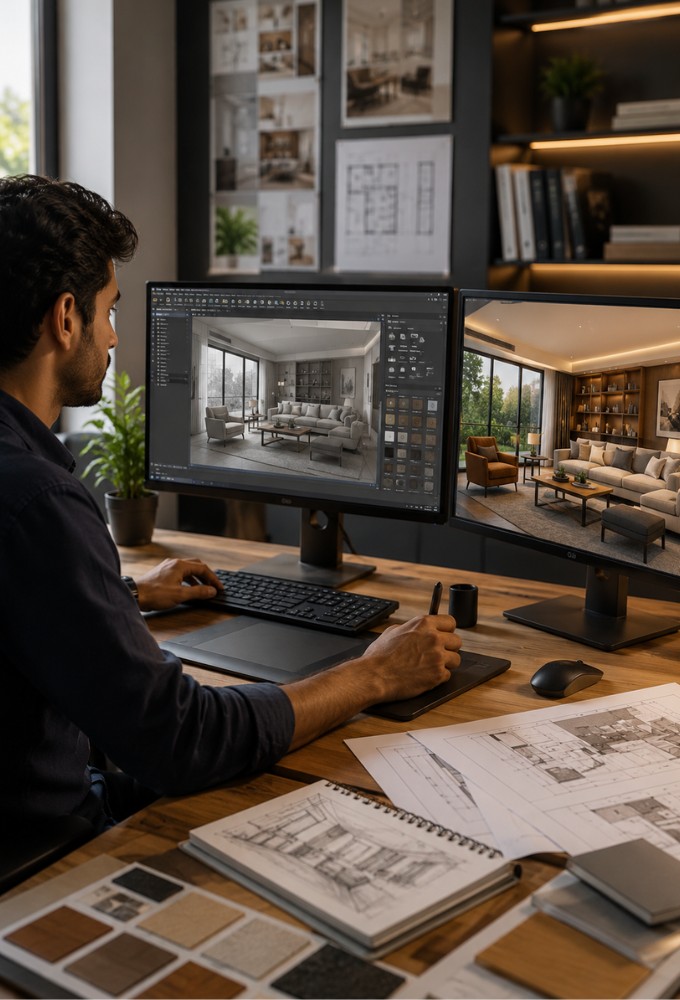
Virtual Reality (VR) and Augmented Reality (AR) are changing the way people experience interior spaces before they are built.
VR allows clients to take immersive virtual tours of their future homes or offices. They can walk through rooms, examine design elements, and experience spatial arrangements in real time.
AR, on the other hand, enables users to visualize furniture, décor items, and design features within an actual space using smartphones or tablets.
These technologies are helping designers improve project presentations and enhance customer confidence throughout the design process.
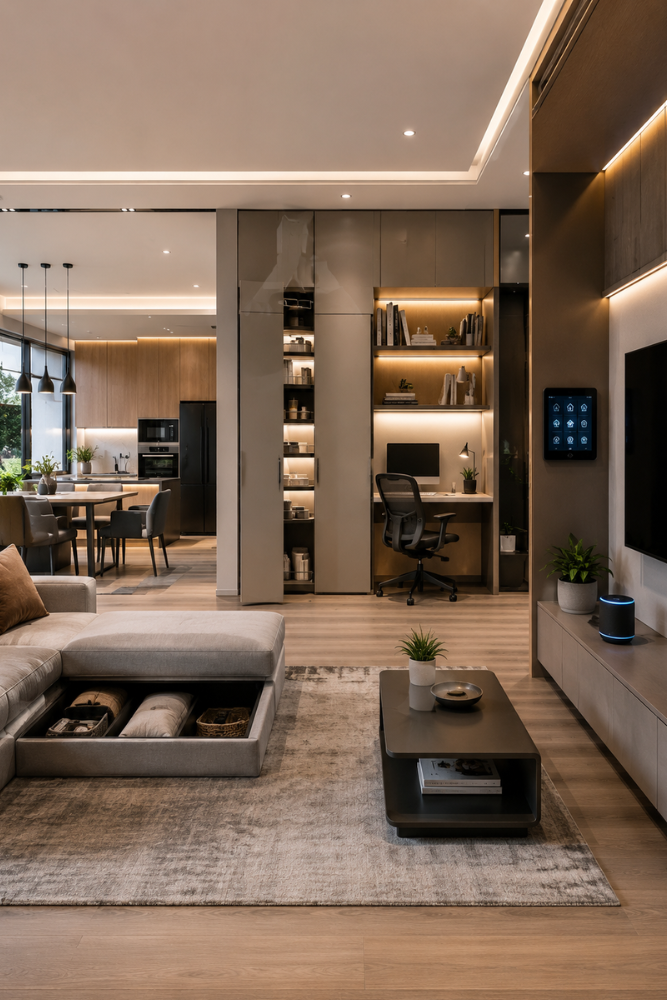
Modern Home Interior Design Focused on Functionality
Technology has shifted interior design beyond aesthetics toward functionality and user experience. Today’s modern home interior design concepts focus on creating spaces that adapt to changing lifestyles and evolving needs.
Features commonly incorporated into modern homes include:
- Multi-functional furniture
- Space-saving storage solutions
- Smart appliances
- Flexible workspaces
- Automated climate control
- Integrated technology systems
These elements help maximize comfort while improving the overall efficiency of residential spaces.
As remote work and hybrid lifestyles become more common, designers are increasingly creating versatile interiors that support productivity and well-being.
Smart Lighting Systems
Lighting plays a crucial role in shaping the atmosphere and functionality of a space. Technological
advancements have introduced intelligent lighting systems that allow users to customize brightness, color temperature, and schedules according to their preferences.
Smart lighting offers several benefits:
- Reduced energy consumption
- Improved ambiance
- Enhanced convenience
- Better mood and productivity
- Increased home security
These systems can be controlled remotely through smartphones or voice assistants, making them a valuable component of smart home interior design.
Trending Interior Design Concepts in 2026
The future of trending interior design is being shaped by a combination of technology, sustainability, and personalization. Homeowners are seeking designs that reflect their lifestyles while incorporating modern conveniences.
Some of the most popular interior design trends include:
Sustainable Interiors
Eco-friendly materials, energy-efficient systems, and sustainable construction practices are becoming increasingly important.
Biophilic Design
Natural elements such as indoor plants, natural lighting, and organic materials are being integrated into interior spaces to improve well-being.
Minimalist Luxury
Clean lines, clutter-free layouts, and premium finishes continue to dominate contemporary design preferences.
Smart Spaces
Technology-enabled environments that enhance comfort and efficiency are becoming a defining characteristic of modern interiors.
Personalized Design
Custom-made furniture, tailored layouts, and unique design elements help create spaces that reflect individual personalities.
These emerging trends continue to influence the future direction of interior design across residential and commercial sectors.
Modern Living Room Design Enhanced by Technology
The living room remains the heart of every home, and technology is playing an increasingly important role in shaping its functionality and aesthetics.
A modern living room design often includes:
- Smart entertainment systems
- Hidden wiring solutions
- Automated lighting
- Integrated sound systems
- Voice-controlled devices
- Smart climate management
Technology is seamlessly incorporated into design elements to maintain a clean, sophisticated, and organized appearance.
The result is a living space that offers comfort, entertainment, and convenience while maintaining visual harmony.
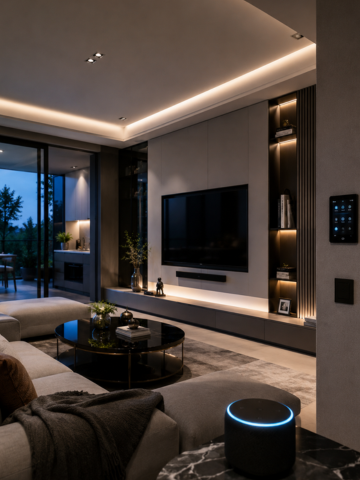
Artificial Intelligence in Interior Design
Artificial Intelligence (AI) is emerging as a powerful tool within the design industry. AI-powered software can analyze user preferences, generate design suggestions, and optimize space planning.
Designers are using AI to:
- Create customized layouts
- Recommend furniture selections
- Predict design trends
- Improve project efficiency
- Enhance client experiences
As AI technology continues to evolve, it is expected to become an increasingly important component of future interior decorator services.
Sustainable Technology for Future Interiors
Sustainability is becoming a major priority in both residential and commercial projects. Technology is enabling designers to create environmentally responsible interiors without compromising style or functionality.
Examples include:
- Energy-efficient lighting systems
- Smart water management
- Sustainable building materials
- Solar-integrated solutions
- Intelligent energy monitoring
These innovations help reduce environmental impact while lowering long-term operational costs for homeowners and businesses.
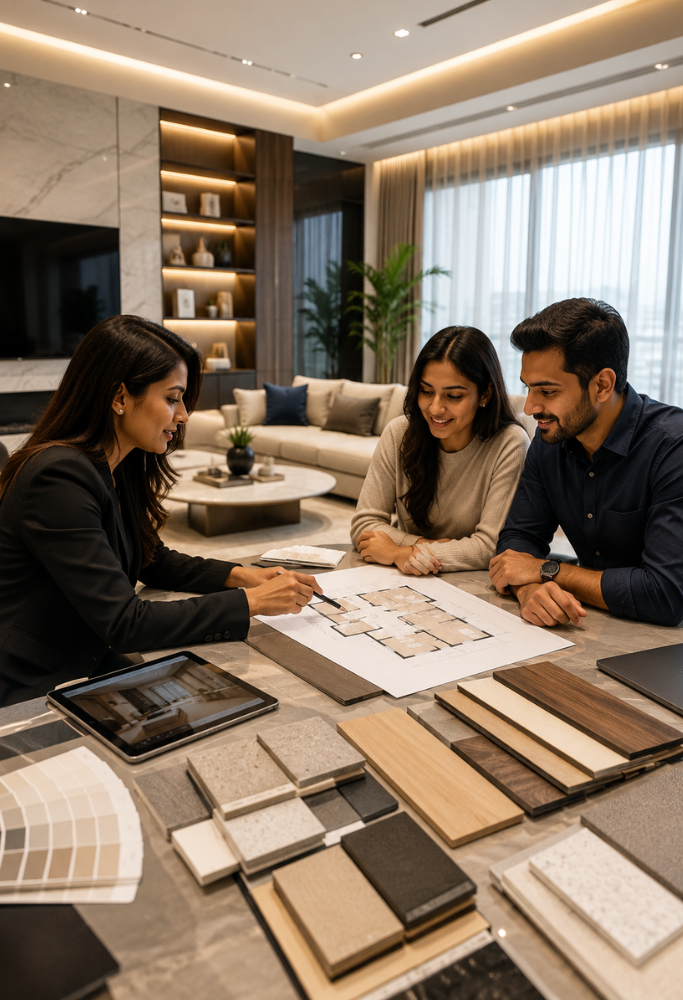
The Importance of Professional Interior Decorator Services
While technology provides powerful tools, successful interior design still requires professional expertise and creative vision. Experienced designers understand how to combine technology, aesthetics, functionality, and client preferences to create cohesive and practical spaces.
Professional interior decorator services offer:
- Space planning expertise
- Customized design solutions
- Material selection guidance
- Technology integration
- Project management support
- Budget optimization
By working with skilled professionals, clients can ensure that technological innovations are effectively incorporated into their spaces.
How Gamut Buildcon Embraces Future Design Trends
At Gamut Buildcon, we stay ahead of industry developments by integrating advanced technologies and innovative design practices into every project. Our team focuses on delivering customized interiors
that combine functionality, aesthetics, and future-ready solutions.
Whether designing residential homes, commercial spaces, or renovation projects, we incorporate the latest advancements in smart home interior design, modern home interior design, and trending interior design concepts to create exceptional environments that meet modern lifestyle demands.
Conclusion
Technology is transforming the interior design industry in unprecedented ways. From virtual reality visualization and AI-powered planning to smart home automation and sustainable solutions, innovation is shaping the future of how spaces are designed and experienced.
The rise of smart home interior design, evolving modern living room design concepts, and advanced interior decorator services demonstrates how technology continues to improve both aesthetics and functionality. As design trends evolve, homeowners and businesses can benefit from intelligent, efficient, and highly personalized spaces that enhance everyday living.
At Gamut Buildcon, we combine creativity, expertise, and cutting-edge technology to deliver future-focused interiors that are stylish, practical, and built for tomorrow.