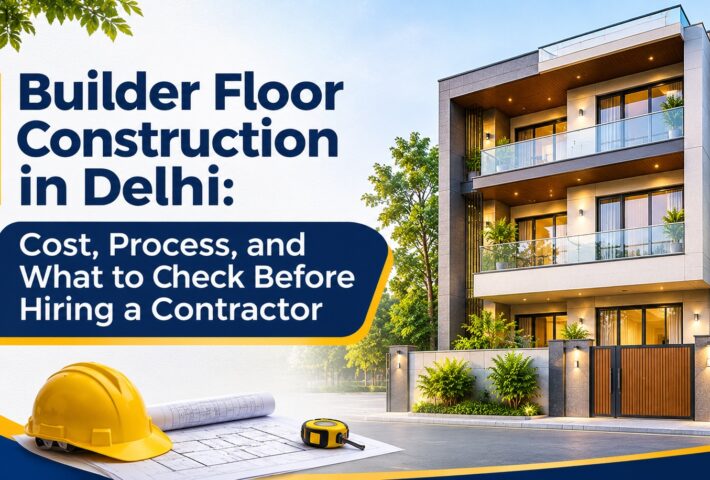
Builder Floor Construction in Delhi: Cost, Process, and What to Check Before Hiring a Contractor
Building an independent home requires careful planning, reliable construction expertise, and a clear understanding of expenses. A builder floor in Delhi NCR is a popular choice among property owners who want independent living spaces with better privacy and practical layouts. However, constructing a builder floor involves several decisions, from architectural planning and material selection to labour management and finishing. Understanding the construction process and estimated costs can help you avoid unexpected expenses and delays. Whether you are planning a residential project in Delhi or exploring builder floors in Gurgaon, hiring an experienced contractor is essential. Gamut Buildcon helps property owners approach construction projects with organised planning, quality-focused execution, and professional project management.
Understanding Builder Floor Construction and Its Growing Demand
A builder floor is an independent residential unit, generally constructed on a separate floor of a low-rise building. These properties are preferred by families who want privacy, dedicated living spaces, and relatively fewer shared facilities than conventional apartment complexes.
Demand for a builder floor in Delhi is supported by the preference for independent residential spaces in established neighbourhoods. Similar preferences can be seen in Gurgaon, where buyers and property owners look for well-planned residential construction.
Key Factors That Influence Builder Floor Construction Cost
Construction costs depend on several project-specific factors. There is no fixed rate applicable to every property.
Important cost considerations include:
- Plot size and location: Land dimensions, accessibility, and local construction requirements affect project expenses.
- Material quality: Cement, steel, bricks, flooring, electrical fittings, and sanitaryware influence the overall budget.
- Design complexity: Structural requirements, balconies, elevation designs, and interior layouts affect construction costs.
- Labour charges: Skilled labour availability and project duration contribute to expenses.
- Finishing work: Painting, modular fittings, flooring, and bathroom installations influence the final cost.
Always request a detailed quotation covering material specifications, labour, structural work, finishing, and additional charges.
The Complete Construction Process from Planning to Handover
A systematic construction process helps maintain quality and minimise unnecessary delays.
- Site Inspection and Planning: Assess the plot, soil conditions, dimensions, access, and applicable building regulations.
- Architectural and Structural Design: Prepare floor plans, elevation drawings, and structural designs according to project requirements.
- Approvals and Permissions: Obtain applicable building sanctions and other statutory permissions before starting construction.
- Foundation and Structural Work: Complete excavation, foundation, columns, beams, slabs, and masonry as per approved designs.
- Electrical and Plumbing Installation: Install concealed wiring, water supply lines, drainage systems, and other essential services.
- Finishing and Handover: Complete flooring, painting, doors, windows, fittings, and final quality inspections.
Essential Checks Before Hiring a Construction Contractor
Selecting the right contractor can significantly influence project quality, expenses, and completion timelines. Before appointing a floor construction company, evaluate the following:
- Previous projects: Review completed residential construction projects and workmanship.
- Technical expertise: Check experience in structural construction, architectural coordination, and finishing.
- Written quotation: Ensure the estimate clearly mentions materials, labour, inclusions, and exclusions.
- Project timeline: Discuss construction milestones and expected completion dates.
- Quality control: Understand how material quality and on-site construction standards are monitored.
- Contract terms: Review payment schedules, responsibilities, warranties, and delay-related conditions.
Gamut Buildcon focuses on organised construction execution, helping property owners make informed decisions throughout their projects.
Building Quality Homes with Professional Construction Support
Constructing a residential floor requires more than arranging materials and labour. Proper planning, structural safety, transparent budgeting, and regular supervision are equally important. Gamut Buildcon provides construction expertise to help clients manage residential projects with attention to planning and execution.
Whether you are considering a project in Delhi or planning builder floors in Gurgaon, selecting an experienced construction partner can make the process more organised.
Planning your residential construction project? Connect with Gamut Buildcon to discuss your requirements and explore suitable construction solutions.
Frequently Asked Questions
1. What is included in builder floor construction?
It generally includes foundation work, structural construction, masonry, plumbing, electrical installations, flooring, painting, and finishing. The exact scope depends on the contractor’s agreement.
2. What determines the cost of constructing a builder floor?
Plot dimensions, structural design, material quality, labour charges, finishing specifications, and site conditions determine the overall construction budget.
3. How long does builder floor construction take?
The timeline depends on the building size, number of floors, design complexity, approvals, weather, and availability of materials and labour.
4. Why should I hire a professional floor construction company?
A professional company can coordinate technical planning, labour, materials, quality checks, and construction activities, helping reduce avoidable mistakes and project delays.
5. What should I check before signing a construction contract?
Review the scope of work, material specifications, estimated cost, payment milestones, completion schedule, quality standards, and responsibilities of both parties before signing.
Search
Featured Blogs


Hotel Construction in Delhi NCR: Planning, Timeline, and Cost Factors
November 13, 2026

Quality Management System (QMS): Standards, Benefits & Guide
October 14, 2026